A greener method to produce high-performance graphene
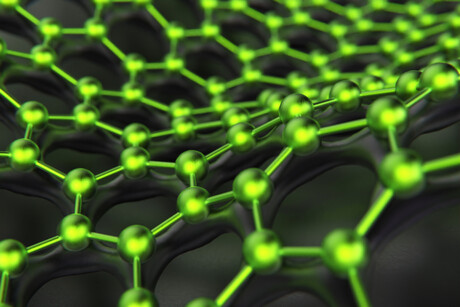
A research breakthrough could open the door to more sustainable materials for a range of advanced technologies, from smart coatings, electronics and sensors, to self-healing systems.
Published in the American Chemical Society journal Sustainable Chemistry & Engineering, researchers from Monash University have developed a green, solvent-free method to produce nitrogen-doped graphene nanoplatelets using a bio-derived nitrogen source.
The innovation uses mechanochemistry, which combines materials through grinding rather than chemical solvents, cutting down energy use and eliminating toxic precursors and by-products.
The resulting material shows improved electrical, thermal and mechanical performance. When incorporated into advanced polymer systems, it even demonstrates electrically triggered self-healing, hinting at potential applications in smart, durable materials.
For manufacturers, the process hints at greener production pathways for polymers and composites, reducing chemical waste and energy costs. Materials scientists and R&D teams could explore its use in smart coatings, electronics, sensors and self-healing systems.
While still experimental, the method demonstrates how high-performance materials can be made without harming the environment.
“This method proves that you can make advanced materials without compromising environmental responsibility,” said Chamalki Madhusha, a third-year PhD student in the Faculty of Engineering.
Electrical method could help detect extraterrestrial life
An AI-powered nanogap method can distinguish amino-acid forms, opening a path to compact...
Research identifies hidden network latency bottlenecks
Researchers have identified hidden network latency bottlenecks, revealing where delays occur and...
Optical isolators integrated on silicon photonics chips
A new laser-annealing process integrates optical isolators directly onto silicon photonics chips,...